Welcome to the Clean Living Blog
When I faced cancer and later worried about recurrence, I found myself asking a simple yet overwhelming question: “What can I actually do to protect my health and be here for my kids?” The medical advice was important, but I felt there had to be more—everyday choices within my control that could support my body’s natural healing abilities.
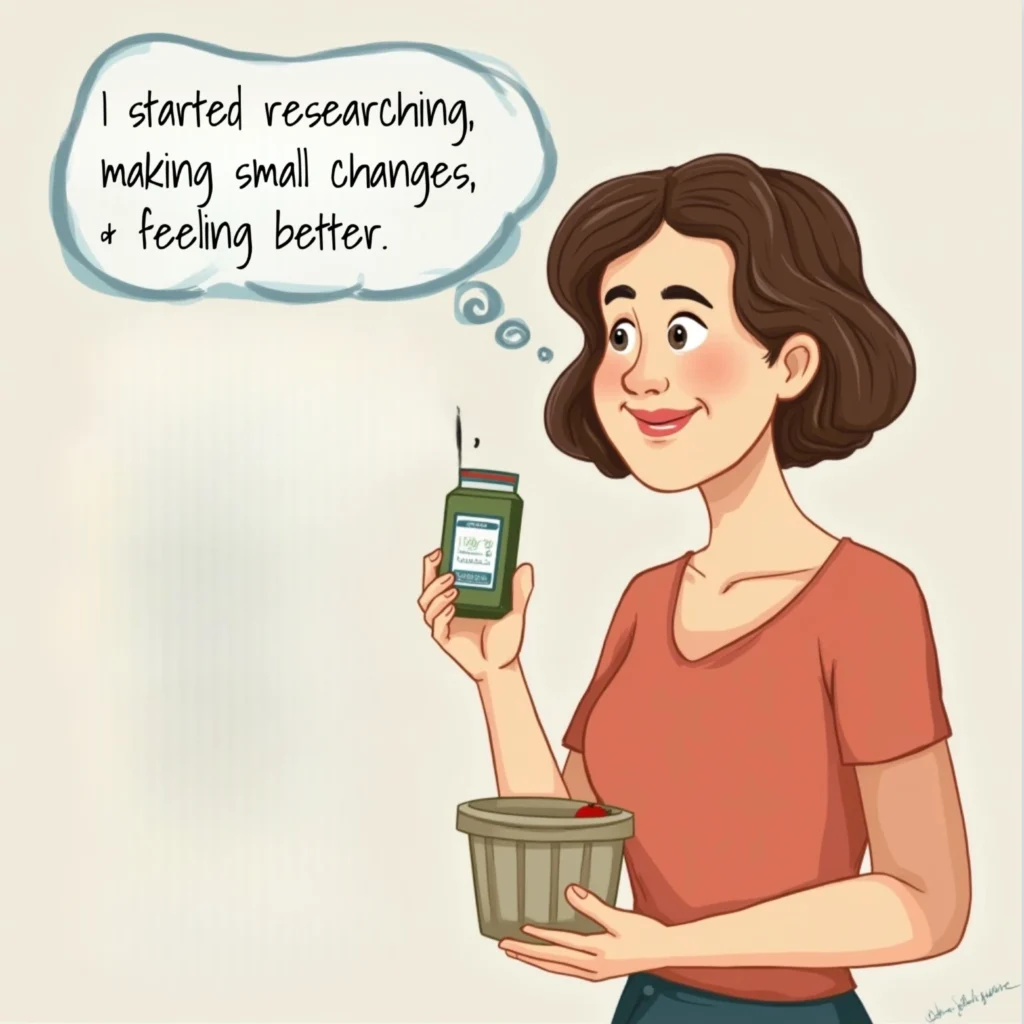
That’s how this journey began. I started researching, making small changes one at a time: switching to glass containers, choosing organic produce when possible, reading labels on personal care products. Each step was manageable on its own, but together, they transformed how I lived.
Change can’t be immediate, especially when there’s a budget!
I created the Clean Living Blog to share what I’ve learned along the way. This isn’t about perfection or fear—it’s about empowerment through information and gradual, sustainable changes. Whether you’re facing health challenges, supporting someone who is, or simply wanting to make healthier choices, everyone can take meaningful steps toward a cleaner lifestyle.

The questions below represent the same ones I asked at the beginning of my journey and what I’ve found that others also ask. I hope the answers help guide your path to wellness, whatever that looks like for you.
FAQ
What is clean living about?
Clean living is about living free of dangerous chemicals and substances…as much as possible.
There are a million little ways to do this, and that is what we explore in this website.
Is clean living just another trend?
Unlike many short-term wellness trends, clean living is a comprehensive lifestyle approach focused on long-term health. It’s not about quick fixes or extreme measures, but rather making informed choices across all aspects of daily life. Clean living isn’t just about personal health—it also encompasses environmental sustainability, ethical sourcing, and supporting regenerative practices.
What is organic?
asdfs a
What are the different levels of organic certification?
There are several organic certification levels in the United States:
- 100% Organic: Products made entirely with certified organic ingredients
- Organic: Products containing at least 95% certified organic ingredients
- Made with Organic Ingredients: Products with at least 70% certified organic ingredients
- Specific Organic Ingredients: Products with less than 70% organic content can list specific ingredients as organic but cannot make organic claims on the front packaging
Different countries may have their own certification standards, though many align with similar principles.
Why should I choose organic foods?
Organic foods are grown without synthetic pesticides, herbicides, fertilizers, GMOs, irradiation, or sewage sludge. Choosing organic helps you:
- Reduce exposure to potentially harmful chemical residues
- Support farming practices that promote soil health and biodiversity
- Often get foods with higher nutrient density
- Avoid GMOs and their associated concerns
- Support more humane treatment of animals (in the case of organic animal products)
What foods are high in pesticide residues?
Certain foods have the potential to be high in pesticide residues due to their closeness to the soil and other factors. These foods sometimes include strawberries, spinach, peaches, potatoes and others. Yes, they are some of our favorites. For these especially, choose organic varieties when available.
See here the annual report published by the Environmental Working Group.
What makes grass-fed animal products better?
Grass-fed animal products come from animals that grazed on their natural diet (grass) rather than being fed grain-based diets. Benefits include:
- Higher omega-3 fatty acids and conjugated linoleic acid (beneficial fats)
- Better omega-3 to omega-6 fatty acid ratio
- More vitamins A, E, and other antioxidants
- Animals raised in more humane, natural conditions
- Lower environmental impact when properly managed
- No exposure to antibiotics and hormones often used in conventional production
Why should I avoid plastic food storage containers?
Plastic containers can leach chemicals into food, especially when heated or used with acidic foods. Concerning chemicals include:
- Bisphenol-A (BPA) and its substitutes (BPS, BPF): linked to hormone disruption
- Phthalates: associated with reproductive issues
- Antimony: potentially toxic when leached
- Microplastics: tiny plastic particles that can enter the body
Glass, stainless steel, and ceramic alternatives don’t leach chemicals and are more environmentally sustainable options.
What chemicals in cleaning products should I avoid?
Common concerning ingredients in conventional cleaning products include:
- Phthalates (often hidden in “fragrance”)
- Perchloroethylene (PERC)
- Triclosan
- Quaternary ammonium compounds (“quats”)
- 2-Butoxyethanol
- Ammonia
- Chlorine bleach
- Sodium hydroxide
- Formaldehyde and formaldehyde-releasing preservatives
These can cause respiratory irritation, skin problems, hormone disruption, and other health concerns with regular exposure.
Are natural cleaning products effective?
Yes, natural cleaning products can be highly effective when used properly. Ingredients like vinegar, baking soda, castile soap, and essential oils have natural antimicrobial, degreasing, and cleaning properties.
While some natural cleaners may require more physical scrubbing or contact time than harsh chemical alternatives, they clean effectively without introducing toxins into your home environment.
What are endocrine disruptors and why should I avoid them?
Endocrine disruptors are chemicals that can interfere with the body’s hormone (endocrine) system. They can mimic, block, or alter the way natural hormones work, potentially affecting:
- Reproductive health
- Metabolic processes
- Growth and development
- Stress response
- Thyroid function
Common sources include certain plastics, pesticides, flame retardants, food additives, and ingredients in personal care products. Even small exposures can be concerning as hormones naturally work at very low concentrations.
PENDINGHow do endocrine disruptors affect my body?
Ye
How can I improve indoor air quality?
Indoor air is often more polluted than outdoor air. You can improve your home’s air quality by:
- Opening windows regularly for ventilation
- Regularly cleaning dust (which can harbor chemicals)
- Using natural cleaning products
- Adding air-purifying plants like snake plants, peace lilies, and spider plants
- Avoiding synthetic candles and air fresheners, and fragrances
- Using HEPA air filters
- Removing shoes at the door
- Controlling humidity to prevent mold
- Using low-VOC paints and furnishings
What personal care products are natural?
Choose personal care products that:
- Have short, recognizable ingredient lists
- Are free of parabens, phthalates, triclosan, and synthetic fragrances
- Don’t contain “fragrance” (which can hide numerous chemicals)
- Avoid SLS/SLES (sodium lauryl/laureth sulfate)
- Are free of petroleum-based ingredients (mineral oil, petrolatum)
- Don’t contain formaldehyde-releasing preservatives
- Use natural preservatives when needed
- Have legitimate certifications (USDA Organic, COSMOS, EWG Verified)
How does clean living benefit the environment?
Clean living choices support environmental health by:
- Decreasing plastic waste and pollution
- Lowering overall resource consumption
- Supporting businesses with sustainable practices
- Reducing chemical runoff into waterways
- Supporting organic farming that builds soil health
- Supporting biodiversity and ecosystem balance
- Reducing the carbon footprint of food systems
- Minimizing exposure to environmental toxins for wildlife
Is clean living more expensive?
Initially, some clean living products and organic foods may cost more, but consider these factors:
- Health is an investment that can save money later
- Prioritize the “Dirty Dozen” for organic purchases
- Natural cleaning products can be made economically at home
- Buying in bulk reduces packaging waste and cost
- Quality products often last longer
- The long-term health benefits may reduce healthcare costs
- Growing some of your own food can be cost-effective
- Reusable items save money over disposables in the long run
How do I practice clean living on a budget?
Start with these affordable steps:
- Replace items gradually as they run out
- Focus first on what touches your body most (food, personal care)
- Make your own cleaning products with vinegar, baking soda, and essential oils
- Shop farmers markets late in the day for deals
- Buy in bulk when available
- Buy in-season produce
- Look for store brand organic options
- Join a CSA (Community Supported Agriculture) program
- Prioritize changes for family members with developing systems (children, pregnant women)
- Focus on whole foods rather than processed “organic” convenience foods
What are VOCs and why are they concerning?
Volatile Organic Compounds (VOCs) are chemicals that evaporate easily at room temperature, releasing gases into the air. Common sources include paints, varnishes, cleaning supplies, air fresheners, new furniture, and building materials. Exposure to VOCs can cause:
- Eye, nose, and throat irritation
- Headaches
- Nausea
- Damage to the liver, kidneys, and central nervous system
- Some VOCs are suspected or known carcinogens
Choosing low-VOC or natural products helps reduce this exposure in your home.
Is it better to buy local or organic?
Both have benefits, and the ideal is local AND organic. However, if you must choose:
- Local often means fresher food with higher nutrient content
- Local reduces transportation emissions and supports the local economy
- Organic ensures no synthetic pesticides or fertilizers were used
- For animal products, ask about raising practices regardless of certification
- For the “Dirty Dozen” produce items, prioritize organic due to high pesticide residues
- For items with thick peels you don’t eat (like bananas), local conventional may be fine
How does clean living affect children’s health?
Children are especially vulnerable to environmental toxins because:
- Their bodies are still developing
- They have faster metabolisms and breathe more air relative to their size
- Their detoxification systems are immature
- Early exposures can affect long-term development
Clean living choices can help reduce children’s exposure to hormone disruptors, neurotoxins, allergens, and other chemicals linked to developmental issues, allergies, asthma, and other health concerns.
What certifications should I look for when shopping?
Reliable certifications include:
- USDA Organic (food and agricultural products)
- Non-GMO Project Verified
- EWG Verified (personal care products)
- MADE SAFE
- GOTS (Global Organic Textile Standard)
- COSMOS or ECOCERT (cosmetics)
- B Corp (overall business practices)
- Animal Welfare Approved
- Rainforest Alliance
- Fair Trade
- GREENGUARD (low chemical emissions for products)
Does clean living mean I need to be perfect all the time?
Absolutely not! Clean living is about progress, not perfection. The goal is to make informed choices when possible and gradually shift toward healthier options. Start with changes that matter most to you, focus on one area at a time, and remember that even small steps add up to significant benefits over time.
Balance is key—occasional exposures to less-than-ideal situations are part of life, but your everyday choices are what matter most for long-term health.